
[lwptoc]
Empowerment should be the focal point of any philanthropic gesture. the Usual mode of philanthropy delivery has also been from the paradigm of top-down approach. Where the decision for fund is made far away from the community they aim to serve. The method of philanthropy even thought is well indented can actually lead to imbalances in power and can even hinder genuine, sustainable progress. The critical global discussions about decolonizing philanthropy in intended to undo the seemingly normal top-down approach and thus introduce a new structure that will lead to real and genuine empowerment to the local community. This is not just for information purposes, but a real practical movements that is reshaping how we should be thinking about social impact and the act of philanthropic giving.
Why it is Important for Power to Shift.
Why decolonizing philanthropy is really matters? This is because the very core of effective social impact lies mainly on real empowerment. When people that are not really impacted provides solutions, they sometime missed often miss some of the intricate realities, cultural contexts, and the capacities of the local communities on the ground. As they say “he who wears the shoe knows where and how it hurts”. Doing the usual can lead infect have even lead to misplaced and allocated funding, unsustainable projects which have become the case in most African countries, especially in Nigeria, and a continues dependent as ageist true empowerment. Philanthropist should not make their giving looks like just a show and deliberately transition to decision-making authority to grassroots and local actors. This essential shift is all about trusting the local authority and encouraging grassroots impact and community support which will lead to lasting empowerment.
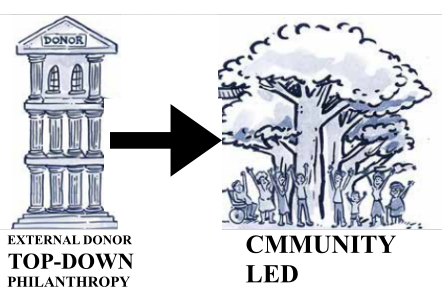 Top-down philanthropy to Community-Led Philanthropy
Community-Led Philanthropy: Road map to Empowerment
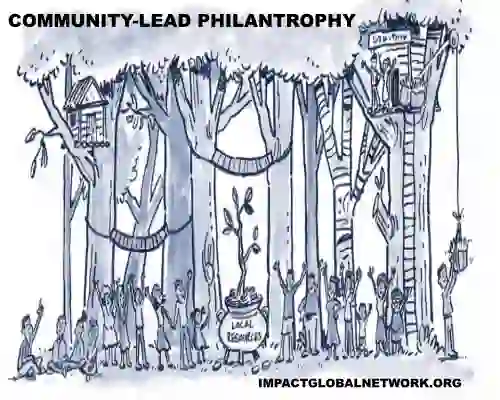
At the core of decolonizing philanthropy lies in embracing community-led techniques. Imagine a model that empowers with their challenges and assets, to be part of chatting the way forward with solution to these problems. This is at the heart of community-lead philanthropy, it is a technique that recognizes the impact of local contributions, build capacity around the locals and thus fosters sustained empowerment. It also does not see communities as just aid recipients but also a viable partners for innovation and development. It identifies local’s incredible understanding of the local interconnectedness and intricacies, extensive networks and resilience as been immeasurable assets that if supported properly, have the capacity of driving incredible change, that can bring organic growth and sincere empowerment.
Imagine the growth of African-led foundations, these organizations do not just function as a pipeline for getting external funding, but are agencies for self-driven development. They have a whole understanding of locals needs, with cultural and political awareness. By directly supporting these organization acts as a powerful way of enforcing the details of decolonizing philanthropy, while bypassing so many intermediaries, encourages local empowerment. Success stories from these organizations lays credence to the effectiveness and efficacy of localized leadership and a veritable tool for empowerment.
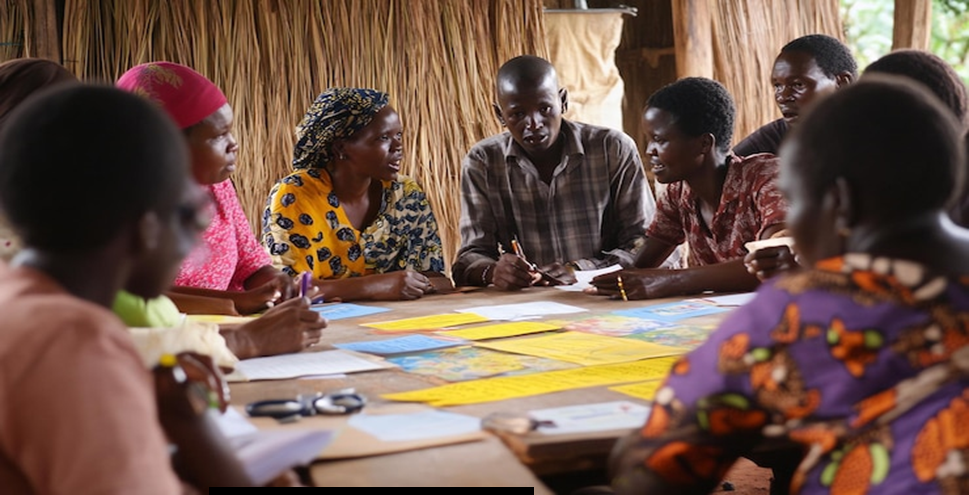 Community-Led Philanthropy in action
Participatory Grant making: A Path to Genuine Empowerment
One of the visible acknowledgments of is generally a sense of participation in grant making activates and meetings. This model integrate physical interaction and participation of the affected communities and local organizations to sit at the round table when decisions a taken. Which mostly involves majority views on how found should be used. This builds trust, strengthens local institutions and enhances a sense of collective ownership- acts as a powerful tool for empowerment. This form of empowerment fosters accountability from within the community itself.
For those philanthropic organizations that are eager to embrace this essential philanthropic shift, the journey simply entails learning the act of power devolution to local authorities and learning to trust and built a mutual and beneficial relationship with them. It is all about coming to the realization that real empowerment comes from empowering those at the base of the challenge. The guidelines to participatory grant making are increasingly becoming critical tools for implementation, because it offers the framework for a transparent processes that amplifies local voices and emphasizes equitable giving practices. Thus forming an essential step toward empowerment.
 Participatory Grant making: A Path to Genuine Empowerment
Diaspora Giving: An Essential Pathway for Decolonized Development
The role played by citizens that are based outside of their county in decolonizing philanthropy cannot be emphasized. The diaspora community most often maintain good understanding with their home countries, they also have a very appreciation of local contexts the money they send back home as a philanthropic gestures goes the local initiatives most of the time, thereby bypassing some of the bureaucratic links. This kind of founding is mostly organic and decentralized, because it is coming from a place of personal connection and aimed to support specifically, locally-defined needs. This form of giving has a potential for activating localized empowerment – indicating a strong commitment to their personal local welfare. Diaspora philanthropic founding is more like a self-directed empowerment which is very essential for sustainability and development.
Dismantling Deep-rooted Barriers and Fostering Equitable Empowerment
The road to decolonizing philanthropy is a continuous and conscious effort to dismantle deep rooted barriers. This involves dismantling systematic issues relating to racial bias, daunting requirements often placed on local organizations before funding is grated and rooted inequities. By enabling real and trusting partnerships and challenging the norms, philanthropic activities can actually move beyond the physical gesturing to achieving real and sustainable empowerment. This deeper interest to empowerment will define the future of social impact. Genuine empowerment takes into account the value in local knowhow. This is a commitment to enabling real empowerment.
Finally, decolonizing philanthropy is all about giving power to the local communities, acknowledging their impact and trusting their inherent capacity to drive the required change and its dedication to true empowerment. It enforces the act of true of building a more equitable philanthropic ecosystem with resources best allocated by those who should know best, leading to lasting sustainable development. This resolute emphasis on real empowerment will no doubt redefine the way we see and evaluate success in the social impact sector.